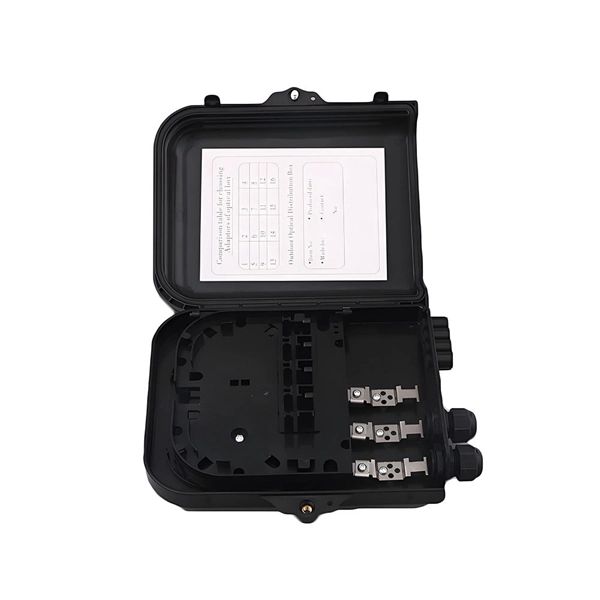
Empower your off‑grid projects and grid‑support applications with a reliable outdoor battery storage cabinet from TOPBAND. Engineered for harsh climates and demanding workloads, our outdoor battery storage cabinet delivers scalable LiFePO₄ energy storage in a rugged IP54‑rated. Lithium-ion batteries are the driving force behind today's portable power revolution—powering everything from electric vehicles to industrial equipment, tools, and communication systems. As their use expands across sectors, so do the risks associated with improper handling, charging, and storage. Whether. CellBlock Battery Storage Cabinets are a superior solution for the safe storage of lithium-ion batteries and devices containing them. Our practical, durable cabinets are manufactured from aluminum, and lined with CellBlock's Fire Containment Panels. CellBlockEX provides both insulation and. The Rack Battery Cabinet by PKNERGY is a versatile backup power solution tailored to meet specific energy needs. Customers can choose the required number of rack LiFePO4 batteries, and PKNERGY will configure the cabinet and PCS (Power Conversion System) into a fully functional energy storage. There are very few technology trends that have become so firmly established in recent years than the development of ever more powerful energy storage systems based on lithium (Li). For about 30 years, lithium-ion batteries and accumulators have been conquering the market for energy storage.
[PDF]

Solar energy offers data centers a path to reduce their carbon footprint and operational expenses. Major tech companies like Google and Apple are already leading the way, demonstrating that solar-powered data centers are environmentally responsible and economically viable. Data centers are the backbone of our digital world, powering everything from streaming services and cloud storage to remote work platforms and IoT devices. As our reliance on digital infrastructure grows, so does the energy consumption of these mission-critical facilities. Currently, data centers. Solar offers clean power at predictable costs, can be built fast at many scales, and pairs well with batteries to deliver reliability. In this article, we explain why data centers use so much energy, how solar powers data centers, how batteries and microgrids keep servers online, and why these. 2022 to 35 gigawatts (GW) in 2030. The United States accounts f d tap into suitable energy sources. Renewable energy is the answer, but it must be cost-efective, able to meet enormous demand without inte zed by explosive growth and demand. The emergence of AI, data streaming, cloud computing, and.
[PDF]